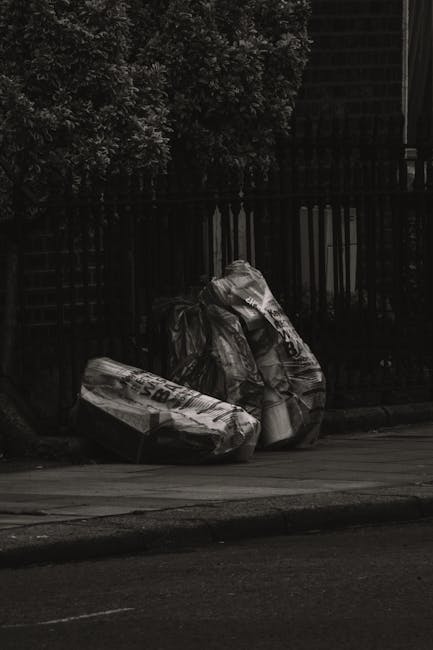
Roadside Bulky Rubbish Pickup for High Street Rickmansworth
If you have bulky waste sitting at the roadside on High Street Rickmansworth, you probably want it gone quickly, safely, and without turning the pavement into a nuisance. That might be an old sofa that's too heavy to shift, broken office furniture left after a refit, or a pile of household items that has been dragged out for collection but never quite sorted. Whatever the mix, roadside bulky rubbish pickup for High Street Rickmansworth is about making that awkward last step feel simple.
In practice, roadside pickup sits between a full clearance and a standard bin collection. It is useful when items can be placed in an accessible spot for loading, but you still need a responsible team to remove them, sort them properly, and deal with waste in line with accepted UK standards. The aim is straightforward: less stress, less mess, and no wondering what to do with a battered wardrobe at the end of the day. Let's walk through how it works, what to watch for, and how to choose the right approach.
Table of Contents
- Why Roadside Bulky Rubbish Pickup for High Street Rickmansworth Matters
- How Roadside Bulky Rubbish Pickup for High Street Rickmansworth Works
- Key Benefits and Practical Advantages
- Who This Is For and When It Makes Sense
- Step-by-Step Guidance
- Expert Tips for Better Results
- Common Mistakes to Avoid
- Tools, Resources and Recommendations
- Law, Compliance, Standards, or Best Practice
- Options, Methods, or Comparison Table
- Case Study or Real-World Example
- Practical Checklist
- Conclusion
- Frequently Asked Questions
Why Roadside Bulky Rubbish Pickup for High Street Rickmansworth Matters
High Street locations tend to be busy, visible, and a bit unforgiving when waste is left out too long. One bulky item can block a narrow path, tempt fly-tipping, or create a hazard for pedestrians, deliveries, and nearby businesses. That's especially true where traffic is steady and space is tight. You notice it most at the wrong time: early morning, after rain, when everything feels slightly more chaotic than it should.
Roadside bulky rubbish pickup matters because it reduces that friction. Instead of leaving items to linger, you can arrange a prompt removal that keeps the street cleaner and easier to manage. For landlords, shop owners, office managers, and homeowners alike, it is a tidy solution for awkward waste that does not fit ordinary routines.
It also helps avoid the common trap of "I'll deal with it later." Later becomes tomorrow, then the weekend, then a damp cardboard pile attracting more rubbish. To be fair, that happens to the best of us. A planned pickup keeps it contained before the problem spreads.
Expert summary: If bulky items are already at the roadside, the best results usually come from clear communication, a sensible pickup window, and separating acceptable items from anything that needs special handling. Keep it simple, keep it visible, and don't let waste sit out longer than necessary.
For mixed household or commercial clearances, it can also be useful to explore broader support such as general waste removal, furniture clearance, or office clearance if the roadside pile is only part of a bigger job.
How Roadside Bulky Rubbish Pickup for High Street Rickmansworth Works
The process is usually more straightforward than people expect. You identify what needs removing, place the bulky items in a suitable roadside spot, and arrange collection at a time that works for access and safety. The team then loads the waste, sorts materials where required, and transports everything for disposal or recycling.
In a real-world sense, the quality of the pickup often depends on three things: access, clarity, and timing. If the team can reach the load without blocking traffic or causing confusion, things move quickly. If items are mixed together with hazardous bits, hidden liquids, or loose debris, the job slows down. And if the waste has been left out overnight with no plan, it can become messy very quickly.
What roadside pickup usually involves
- A clear description of the items to be collected
- Confirmation of where the waste will be placed
- A pickup slot that suits access and local conditions
- Loading by a trained removal team
- Sorting for reuse, recycling, or disposal where possible
- Final clearance so the roadside is left safe and tidy
That last part sounds obvious, but it matters. Nobody wants half a sofa cushion or stray screws left behind. A proper job should feel finished, not just moved elsewhere.
If you need extra guidance on what belongs in a load, this service can pair well with the practical advice on what can go in a skip, especially when you're comparing what's acceptable, what isn't, and what needs separating before collection.
Key Benefits and Practical Advantages
Roadside bulky rubbish pickup for High Street Rickmansworth offers a few clear benefits, and they are not just about convenience. In many cases, the biggest win is simply making a difficult task manageable.
1. Faster clear space
Bulky items can dominate a frontage. Once they are gone, the space feels usable again. That matters for homes, but it matters even more for businesses that need a neat, approachable entrance.
2. Less lifting and strain
Anyone who has tried to wrestle an old wardrobe down steps knows the danger of "just one more tug." Roadside pickup reduces the need for repeated handling and awkward lifting. And your back will thank you later.
3. Better presentation
A tidy High Street frontage sends a better message to customers, neighbours, and passers-by. Even if the waste is temporary, the impression it leaves is not.
4. More predictable logistics
Because the items are already in an accessible location, the collection can often be simpler than an internal clearance. That is useful when you are dealing with a tight schedule or a building with awkward stairs.
5. Improved recycling potential
When items are collected by a professional team, there is a better chance of separating reusable materials, metal, wood, cardboard, textiles, and electrical items appropriately. If sustainability matters to you, this is a meaningful advantage. You may also want to review recycling and sustainability for a wider view of responsible disposal choices.
| Benefit | Why it matters | Typical user |
|---|---|---|
| Quick clearance | Reduces visual clutter and blockage | Homeowners, shopfronts, landlords |
| Reduced manual handling | Less risk and less physical strain | Residents, managers, tradespeople |
| Cleaner frontage | Improves first impressions | Businesses on High Street |
| Simpler logistics | Works well where internal access is awkward | Flats, offices, mixed-use premises |
| Responsible disposal | Supports sorting and recycling | Anyone seeking a cleaner outcome |
Who This Is For and When It Makes Sense
This kind of pickup suits a surprisingly wide range of people. You do not need a massive clearance job to make it worthwhile. Sometimes the issue is one awkward item, and that is enough.
Common situations where roadside bulky pickup helps
- A household replacing old furniture and needing the removed items gone fast
- A landlord clearing left-behind items after tenants move out
- A shop or cafe disposing of bulky fixtures, shelving, or worn seating
- An office shifting unwanted desks, chairs, monitors, or storage units
- A tradesperson finishing a job and needing waste removed before reopening the frontage
- A flat resident with no lift access or difficult internal routes
It is especially helpful when waste is too large for regular bins, too awkward for a car boot, and too time-sensitive to sit around. If that sounds familiar, yes, this is probably the right sort of service.
For some readers, a wider clearance may make more sense than a roadside pickup alone. For example, if the item is just one part of a larger reset, you might look at home clearance, house clearance, or flat clearance. If the waste is mainly old seating or bedroom items, mattress and sofa disposal can be more precise and efficient.
Step-by-Step Guidance
Here is the simplest way to approach roadside bulky rubbish pickup without making it more complicated than it needs to be.
Step 1: List the items clearly
Write down exactly what is going out. Include size, quantity, and anything unusual. "One sofa, two armchairs, one broken chest of drawers" is much more useful than "some stuff."
Step 2: Check for special items
Some bulky waste needs separate handling, such as fridges, freezers, certain appliances, or anything potentially hazardous. If you are unsure, it is better to ask in advance than to discover the problem when the team arrives.
Step 3: Choose the safest roadside position
The waste should be placed where it can be collected without causing danger or unnecessary disruption. Keep it out of the road, avoid blocking footpaths, and make sure there is enough room for loading. A narrow pavement on a busy street is not the place for guesswork.
Step 4: Separate useful materials
If possible, sort out anything recyclable, reusable, or sensitive. Documents, electronics, and personal items should not be tossed together with general waste. For confidential material, a separate service such as confidential shredding may be more appropriate.
Step 5: Confirm access and timing
Pick a time that reduces disruption. Early morning may suit some streets; others work better after peak footfall. The main thing is to avoid leaving bulky waste hanging around longer than necessary.
Step 6: Let the team remove and sort
Once collection begins, the job should be direct: load, clear, sweep up if needed, and leave the area tidy. Good service here is not flashy. It is calm, efficient, and oddly satisfying.
If you are comparing collection options, you may also want to look at online booking and pricing and quotes to get a clearer idea of how the booking process is handled.
Expert Tips for Better Results
Small choices make a big difference with roadside collections. Honestly, the smoothest jobs are usually the ones where the customer has thought one step ahead.
- Measure the bulky items first. It avoids surprises, especially with large sofas, wardrobes, or appliances.
- Bundle like with like. Keep furniture, loose rubbish, and special waste separate where possible.
- Photograph the pile. A quick photo helps everyone understand the scale and the access.
- Leave a clear path. If the crew has to navigate bins, bikes, or boxes, the job takes longer and the risk goes up.
- Keep children and pets away. It sounds basic, but busy street pickups can shift quickly.
- Plan for weather. Rain makes cardboard heavy, soft furnishings awkward, and everything just a bit more annoying.
A practical little trick: if you are unsure whether something should be collected, place a note on it or keep it separate until the final check. That one habit saves a surprising amount of back-and-forth.
Where items are especially heavy or awkward, ask whether specialist support is sensible. For example, fridge and appliance removal is a better fit than a generic load when electrical units are involved, and furniture disposal can be the cleaner route for mixed furniture only.
Common Mistakes to Avoid
Most collection problems are preventable. The usual issues are not dramatic, just avoidable. Which is almost more frustrating, really.
Leaving waste out too early
If items sit roadside for too long, they can attract extra rubbish, become weather-damaged, or create complaints from neighbours. Timing matters.
Mixing acceptable items with restricted waste
One contaminated item can complicate the whole load. If there is anything potentially hazardous, oily, sharp, or chemical-based, separate it first. When in doubt, check before loading.
Blocking access
Even a small obstruction can turn a quick pickup into a slow one. Keep loading space clear and avoid stacking items in a way that could collapse.
Assuming all bulky waste is the same
It is not. A mattress, a sofa, a fridge, and a broken chair may all be "bulky," but they are handled differently. The same goes for builders' waste, which is often better treated through builders waste clearance if that is the main source of material.
Forgetting about paperwork or site rules
For commercial premises, you may need to keep records of what was removed, when, and by whom. That is not glamorous, but it keeps everyone on the same page.
And a slightly funny truth: the one item people always underestimate is the heavy one. It looks harmless until you try to move it. Then suddenly it is a saga.
Tools, Resources and Recommendations
You do not need a shed full of kit to prepare for roadside bulky rubbish pickup. A few basic things make the process much easier.
- Tape measure for checking door widths, stairwells, and item dimensions
- Gloves for basic handling and protection from splinters or sharp edges
- Phone camera for documenting the load and access point
- Marker labels if you are sorting items into keep, remove, recycle, or special handling piles
- Bin bags or sheets to keep loose debris together
For larger household or garage jobs, the right prep often starts with deciding what actually needs to go. A lot of people find that once they start sorting, the pile shrinks faster than expected. If the clearance expands beyond one roadside stack, services like garage clearance, loft clearance, or garden clearance may give you a better all-in solution.
You can also review insurance and safety and health and safety policy information to understand the approach a responsible provider should take. That reassurance matters, especially where access is tight or items are awkward.
Law, Compliance, Standards, or Best Practice
Waste collection in the UK sits within a framework of legal and environmental responsibilities, and bulky rubbish is no exception. Without getting bogged down in legal jargon, the basic idea is simple: waste should be handled by a responsible party, transported properly, and processed in a way that reduces harm.
For roadside pickup, the practical best practice is to avoid illegal dumping, keep waste contained, and make sure it is moved by a service that understands sorting, recycling, and safe disposal duties. If any waste is hazardous, specialist handling is usually required. Do not guess. It is better to ask a direct question than to make a messy mistake.
Businesses should also be mindful of duty of care expectations around their waste. That means keeping sensible records, choosing a suitable contractor, and knowing what is being removed. If the load contains documents or records, confidential shredding is often the more appropriate route. For hazardous items, use hazardous waste disposal rather than mixing them into a general load.
For general service standards, a trustworthy provider should be able to explain how waste is collected, sorted, and handled; how safety is managed on a busy street; and what happens if the load contains something that was not expected. That kind of transparency is not a bonus. It is the baseline.
Options, Methods, or Comparison Table
There is more than one way to deal with bulky waste, and the best choice depends on access, quantity, and urgency. Here is a practical comparison.
| Method | Best for | Pros | Watch-outs |
|---|---|---|---|
| Roadside bulky pickup | Items already placed for collection | Fast, straightforward, minimal handling | Needs clear access and sensible placement |
| Full clearance service | Multiple rooms or mixed waste | More comprehensive, less sorting by you | Can be more involved than you need |
| Skip-style disposal | Ongoing waste from a project | Useful for larger volumes and DIY jobs | Requires space and correct loading discipline |
| Specialist item removal | Appliances, sofas, mattresses, or similar | Tailored handling for specific waste types | May need different booking categories |
If you are on the fence, ask a simple question: is this one clear load, or is it part of a larger problem? If it is the latter, a broader service may save time. If it is the former, roadside collection is often the neatest option.
Case Study or Real-World Example
Picture a small shop on High Street with a back room full of old shelving, a damaged display unit, and a couple of worn chairs that have been sitting by the frontage since the morning delivery. The owner wants the area cleared before opening the next day. There is no room for a full skip, and moving everything through the shop would be awkward and disruptive.
The practical solution is a roadside bulky pickup. The owner lists the items, checks that nothing special is mixed in, and places the load neatly outside during a quieter window. The collection team arrives, loads the furniture, separates anything recyclable, and clears the frontage. By the next day, the shop looks open, calm, and ready for customers again.
That kind of job is not dramatic, but it is exactly where a good service earns its keep. The street stays tidy, the business keeps moving, and nobody has to spend an hour carrying the same chair up and down a corridor. Small victory. Still a victory.
Practical Checklist
Use this before collection day. It will save you time, and probably a mild headache too.
- Identify every item that needs removing
- Separate special waste such as appliances, chemicals, or confidential material
- Measure bulky pieces if access is tight
- Choose a safe roadside position with enough clearance
- Keep the loading area free of bins, bikes, and other obstacles
- Take a photo of the pile if helpful
- Confirm the collection time and any access notes
- Make sure children and pets stay clear
- Check whether recycling or reuse is possible
- Have a final walk-through after collection to spot anything left behind
If you are comparing broader disposal support, you can also review pricing and quotes before booking and use contact us if you need a question answered before the collection takes place.
Conclusion
Roadside bulky rubbish pickup for High Street Rickmansworth is one of those services that looks simple from the outside, but works best when the details are handled properly. Clear access, sensible sorting, safe placement, and responsible disposal all matter. Get those right and the job feels almost effortless. Well, effortless for you, anyway.
Whether you are clearing a single item, dealing with post-refurbishment waste, or trying to tidy a frontage before trading hours, the smartest move is usually the straightforward one: plan the pickup, separate the load, and let a competent team take it from there. That saves time, reduces risk, and keeps the street looking like someone cares about it.
Get a free quote today and see how much you can save.
And if the pile feels bigger than expected, don't panic. Start with what you can see, make one clear plan, and the rest tends to fall into place.
Frequently Asked Questions
What counts as roadside bulky rubbish pickup?
It is the collection of large or awkward waste items from a roadside or other accessible external point, rather than from inside a property. Common examples include sofas, wardrobes, desks, chairs, and similar bulky items.
Can I leave items outside on High Street Rickmansworth before collection?
Usually yes, if they are placed safely, do not block the pavement or road, and are ready for the agreed pickup time. The main thing is not to leave them out longer than necessary.
Is roadside pickup better than a skip?
It depends on the job. Roadside pickup is often better for one-off bulky items or smaller loads. A skip can make more sense for ongoing projects or larger mixed waste, especially if the waste will be created over several days.
What items are commonly collected in bulky rubbish removals?
Typical items include sofas, beds, mattresses, tables, chairs, cupboards, shelving, and some appliances. If you have electricals or special waste, check first, because handling may differ.
How do I prepare bulky waste for roadside collection?
Separate the items, clear the access route, keep any special waste aside, and make sure the collection point is safe and visible. A quick photo can help if you want to double-check the load beforehand.
Can businesses use roadside bulky rubbish pickup?
Yes. It is often useful for shops, offices, landlords, and tradespeople who need bulky items removed quickly without disrupting the whole premises.
What if my waste includes a fridge, freezer, or appliance?
Those items may need specialist handling. Appliance removal is usually best treated as a separate category, especially where gases, compressors, or electrical components are involved.
Do I need to sort recyclable items first?
It helps, yes. Sorting makes collection cleaner and can support better recycling outcomes. Even a rough separation of wood, metal, cardboard, and furniture is useful.
Is roadside bulky rubbish pickup safe on a busy street?
It can be, provided the load is placed carefully and the collection is planned with access and pedestrians in mind. Safety is mostly about good preparation and not rushing the setup.
How much waste can be taken in one pickup?
That depends on the vehicle, the type of waste, and how the items are loaded. A single bulky item may be enough for one visit, or the collection may handle several pieces at once if access allows.
What should I avoid putting with bulky rubbish?
Avoid mixing in hazardous materials, liquids, confidential papers, or items that need specialist treatment. If something is unusual, it is better to ask before it goes out with the rest.
When should I choose a full clearance instead?
If the waste is spread across multiple rooms, includes mixed household clutter, or goes beyond a few roadside items, a broader service such as house, loft, garage, or office clearance may be the better fit.