Rickmansworth Aquadrome rubbish removal guide for WD3
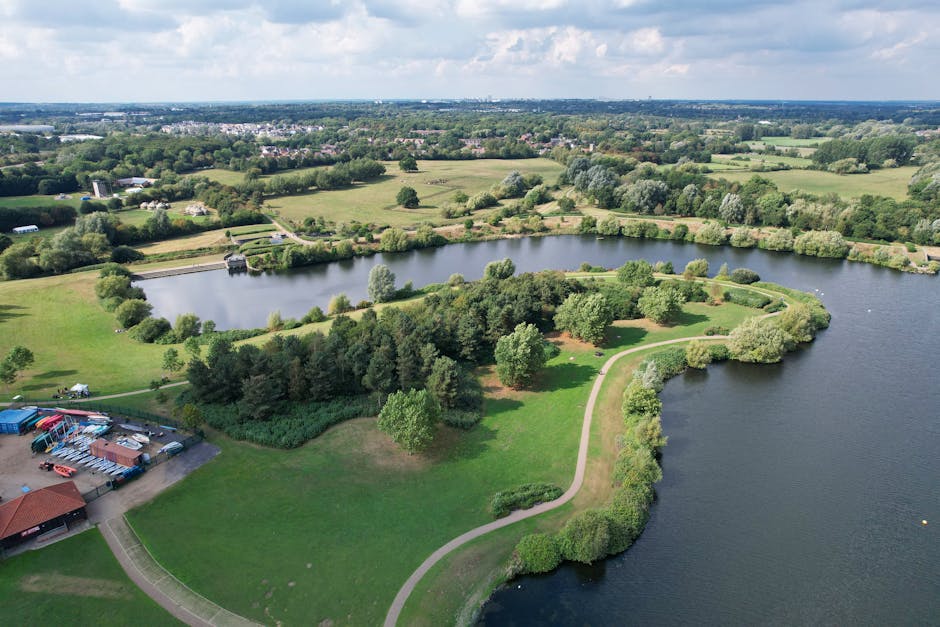
If you are planning a day out, a tidy-up, or a small clear-out near Rickmansworth Aquadrome, rubbish can become a surprisingly awkward problem. Picnic waste, broken chairs, garden bags, old mats, builders' offcuts, even that random pile in the boot that somehow survives every trip. This Rickmansworth Aquadrome rubbish removal guide for WD3 is here to make the whole thing easier to think through, whether you are a homeowner, landlord, tenant, business owner, or just someone trying to clear clutter without turning your weekend upside down.
Truth be told, rubbish removal sounds simple until you are standing there with mixed waste, limited space, and no clear plan. The aim of this guide is to explain what to do, what to avoid, and how to choose the right removal method for the job. You will also find a practical checklist, a comparison table, and a few local-minded tips that save time and a lot of faff.
Expert summary: the smartest approach is usually the one that matches the waste type to the right disposal route, keeps the site safe, and avoids last-minute confusion. That sounds obvious, but in practice it is where most people slip up.
- Why it matters
- How it works
- Key benefits and practical advantages
- Who needs this and when it makes sense
- Step-by-step guidance
- Expert tips for better results
- Common mistakes to avoid
- Tools, resources and recommendations
- Law, compliance, standards, or best practice
- Options, methods, or comparison table
- Case study or real-world example
- Practical checklist
- Conclusion
- Frequently asked questions
Why Rickmansworth Aquadrome rubbish removal guide for WD3 Matters
Rickmansworth Aquadrome is one of those places where people naturally spend time outdoors, move gear in and out of cars, and create a bit of mess without really meaning to. WD3 also includes a mix of residential streets, businesses, flats, and commuter homes, so the way rubbish builds up is not one-size-fits-all. That matters because different waste streams need different handling, and the wrong choice can cause delays, extra costs, or just unnecessary stress.
Aquatic or green surroundings also change the tone a bit. Nobody wants loose rubbish blowing around on a breezy afternoon, and nobody wants bags sat out too long attracting gulls, odours, or complaints from neighbours. If you are clearing waste after a family gathering, a small event, a garden project, or a property clean-up nearby, the faster and cleaner the removal process, the better.
There is another reason it matters: contamination. A few wrong items mixed together can make otherwise recyclable material harder to sort. That is the part many people do not see. A bag of general waste mixed with soil, timber, cardboard, and a broken appliance is not just untidy; it can become harder to handle safely and responsibly.
Key point: Good rubbish removal is not just about taking things away. It is about separating waste properly, moving it safely, and keeping the area tidy while you do it.
For a local household, this may mean a quick domestic clearance. For a business, it may mean scheduling regular collections so rubbish does not quietly pile up in a corner. For a landlord or agent, it might involve an end-of-tenancy clear-out after a tenant has left behind more than expected. Different problem, same principle.
How Rickmansworth Aquadrome rubbish removal guide for WD3 Works
The process is usually simpler than people expect, but it works best when you think in stages. First, identify what you have. Then sort it. Then decide whether it needs a special disposal route, a one-off collection, or a broader clearance. That order matters. If you start booking removal before you know what is being collected, things get messy fast.
In a typical local scenario, waste will fall into one of a few categories:
- General household or mixed rubbish such as bags, broken household items, packaging, and unwanted clutter.
- Garden waste such as cuttings, branches, soil, turf, and old pots.
- Bulky items such as furniture, mattresses, wardrobes, and appliances.
- Trade or builders' waste such as rubble, timber, plasterboard, and offcuts.
- Special waste such as fridges, electricals, or hazardous materials.
Once sorted, the next question is how much volume you are dealing with. A few black bags are one thing. A half-filled garage, or a flat full of mixed items, is another. Volume often influences whether you need a small collection, a full clearance, or a more structured removal plan.
There is also access to consider. Near the Aquadrome, access may be straightforward in some spots and awkward in others, especially where parking is limited or the waste sits a fair distance from the vehicle. That affects timing more than people think. A job that looks like "just a few bags" can take twice as long if the team has to shuttle items through narrow access or across wet ground. And yes, the weather has a say in these things too.
If you want a broader overview of general disposal options, it can help to look at the site's main waste removal page and the dedicated pages for house clearance, loft clearance, or garage clearance depending on where the clutter is coming from.
Key Benefits and Practical Advantages
Good rubbish removal is not glamorous, but it makes life easier in very direct ways. The obvious benefit is getting rid of the mess. The less obvious benefit is restoring usable space and reducing the mental noise that clutter creates. You know that feeling when you open a door and think, "Right, I really must deal with this"? Clearing waste properly ends that loop.
Here are the main advantages people usually notice:
- Faster turnaround when waste is collected in one go rather than piecemeal.
- Cleaner surroundings which is especially important around public-facing outdoor spaces.
- Safer handling of heavy, awkward, or sharp materials.
- Less disruption to neighbours, customers, or passers-by.
- Better sorting for recyclable and non-recyclable materials.
- Less risk of damage to floors, lawns, paths, and access routes.
There is also a calmness benefit, if that is not too soft a word. Once a heap of rubbish is gone, the whole place feels different. Lighter. Less nagging. It sounds small, but it genuinely changes how a space is used.
For businesses near WD3, speed can matter just as much as tidiness. Waste left too long can affect first impressions, delivery access, and day-to-day workflow. In those cases, arranging a proper business waste process through business waste removal is often the neatest fix.
Who This Is For and When It Makes Sense
This guide is useful for anyone in or around WD3 who has waste that needs removing without a lot of drama. But some people will find it especially relevant.
Homeowners and renters
If you are doing a seasonal clear-out, replacing furniture, or dealing with post-renovation clutter, the main challenge is usually mixed waste. A bag of donations, a broken lamp, a pile of packaging, and one heavy item that definitely does not fit in the car. That combination shows up a lot.
Landlords and letting agents
Vacant properties often reveal more than expected. Left-behind furniture, bagged rubbish, old food packaging, curtain rails, and the occasional item nobody wants to claim. A quick, orderly clearance helps get the property ready again without delay.
Builders and tradespeople
Small renovation jobs create awkward waste long before they create huge piles. Tiles, timber, plasterboard, packaging, and rubble can take over a site if not managed early. For this, specialist support like builders' waste clearance is a sensible option.
Local businesses
Offices, cafes, shops, and small commercial premises all generate waste differently. A back room full of old furniture is not the same as daily cardboard and packaging. If the problem is furniture, a dedicated office clearance or furniture clearance route may be more appropriate.
People dealing with bulky specialist items
Some waste needs a bit more thought. Fridges, freezers, mattresses, sofas, and appliances can't always be treated like ordinary rubbish. For those, dedicated services such as fridge and appliance removal or mattress and sofa disposal are usually a better fit.
Step-by-Step Guidance
If you want the cleanest result with the least hassle, follow this sequence. It is simple, but it works.
- Walk the site first. Look at the waste as a whole. What is it? How much is there? Is it in one area or spread around?
- Separate by type. Keep garden waste apart from general rubbish, and separate any electricals, sharp items, or hazardous materials.
- Identify awkward items early. Mattresses, fridges, paint tins, and rubble can change the disposal plan. Better to catch that before collection day.
- Check access. Measure gates, stairways, hallways, and vehicle access if the waste is not at kerbside. It saves a lot of guessing later.
- Remove obvious hazards. Broken glass, nails, syringes, leaking containers, and unstable piles should be handled carefully.
- Choose the right clearance route. A small pile of mixed rubbish is different from a full property clean-out or a trade clearance.
- Prepare the waste for loading. Bag loose items, stack safely, and keep pathways open.
- Confirm what will be collected. Make sure the disposal plan matches the materials on site. This is where mistakes tend to happen.
- Book and schedule realistically. If access is tight or the site is busy, give a wider time window than you think you need.
- Finish with a final sweep. Check corners, under tables, and around fences. Little things get left behind. Always do a second glance.
One practical note: if you are clearing a home rather than a single pile of rubbish, services like home clearance or flat clearance can be more efficient than trying to piece things together in stages.
Expert Tips for Better Results
The trick to better rubbish removal is usually not strength or speed. It is preparation. A few small decisions make the job simpler before anyone even lifts a bag.
- Photograph the waste first. It helps you remember what is there and spot anything special that needs separate handling.
- Keep one "maybe" pile. If you are unsure about a few items, set them aside rather than mixing them in. Better safe than sorry.
- Use proper bags and sturdy boxes. Flimsy sacks split at the worst moment. Right when you are carrying them through a doorway, usually.
- Put heavy items on top of stable bases. A tipped stack takes longer to sort and can be unsafe.
- Leave space for movement. A narrow path turns a quick collection into a clumsy one.
- Think about recycling before removal. Separating metal, cardboard, green waste, and reusable furniture can improve recovery and reduce landfill reliance.
If sustainability matters to you, it is worth checking how the provider approaches sorting and disposal. A sensible place to start is the site's recycling and sustainability information. You do not need a lecture on recycling. Just a clear idea of what happens next, really.
Small but useful tip: if the clearance is linked to a home refresh, it can be smart to remove waste before the new items arrive. Otherwise the room becomes a holding zone. Nobody wants that.
Common Mistakes to Avoid
Most problems with rubbish removal come from a few familiar mistakes. None of them are dramatic, but they cost time and money.
- Mixing special waste with general waste. This is a big one. Fridges, liquids, sharp materials, and hazardous items should not be thrown in casually.
- Underestimating volume. People often say "it's not much" until everything is piled together.
- Leaving waste unsorted. Mixed material is slower to process and harder to recycle properly.
- Forgetting access constraints. A job may be simple in theory but awkward in a basement, loft, or tight terrace.
- Waiting too long. The longer rubbish sits, the more it spreads, smells, or attracts attention.
- Assuming every item is disposable the same way. That is rarely true.
There is also a habit of ignoring smaller clearances until they become larger ones. One broken chair becomes three. A few bags become a hallway. Then suddenly you are doing a mini house clearance on a rainy Thursday morning. Not ideal.
Tools, Resources and Recommendations
You do not need a warehouse of equipment for a tidy clearance. A few simple tools are usually enough.
- Heavy-duty rubble sacks for mixed light waste and garden debris.
- Work gloves for handling sharp or dirty items safely.
- Mask or dust covering where dust, old loft material, or dry debris is present.
- Trolley or sack barrow for moving heavier items without straining your back.
- Labels or markers to separate keep, donate, recycle, and remove piles.
- Basic cleaning gear such as broom, dustpan, and a cloth for the final sweep.
For more specialised waste, a few service pages are worth knowing about. If you are clearing a garage, garage clearance is the natural fit. If it is loft clutter, use loft clearance. If the waste is mainly garden-related, garden clearance is more relevant. That kind of matching sounds minor, but it keeps the whole process much smoother.
For pricing questions, you will usually get the clearest picture by checking pricing and quotes. If you want to book quickly, the book online page is the obvious next step.
Law, Compliance, Standards, or Best Practice
Waste removal in the UK is not just about getting things off-site. The basics of lawful disposal matter, especially where mixed waste, trade waste, or electricals are involved. You do not need to become a compliance expert, but a few principles are worth keeping in mind.
First, waste should be handled by people who know how to classify, move, and dispose of it properly. That is especially important for items that may be hazardous, sharp, contaminated, or difficult to recycle. Second, anyone arranging disposal should be clear about what is being removed and whether any items need special treatment. Third, documentation, safety, and responsible transfer practices are part of normal good practice in the industry.
Best practice also means protecting the site. Paths, floors, doorways, and outdoor surfaces should be kept as clear as possible during loading. If the waste is in a public or semi-public area, tidy containment matters even more. A pile of rubbish that looks "fine for now" can quickly become a nuisance if it sits too long.
If you are dealing with confidential paperwork, it is sensible to keep those items separate and use a secure route such as confidential shredding rather than mixing them into ordinary waste. For potentially risky material, hazardous waste disposal should be treated with extra caution. That is one area where guessing is not clever.
Businesses may also want to review their handling standards through health and safety policy and insurance and safety information. It gives a clearer sense of what responsible working looks like before anyone starts moving heavy or awkward items.
Options, Methods, or Comparison Table
There is more than one way to deal with rubbish around Rickmansworth Aquadrome and the wider WD3 area. The best choice depends on volume, waste type, access, and how quickly you need it gone.
| Method | Best for | Pros | Watch-outs |
|---|---|---|---|
| DIY car trips | A few light bags or small items | Low direct cost, flexible timing | Slow, messy, and awkward for bulky or dirty waste |
| Skip-based disposal | Larger ongoing projects | Handy for repeated loading over time | Needs space, planning, and the right waste mix |
| One-off rubbish removal | Mixed waste, bulky items, quick clear-outs | Fast, convenient, less lifting for you | May not suit waste that needs separate treatment |
| Specialist clearance service | Furniture, appliances, lofts, garages, business premises | Better for awkward or structured jobs | Requires clear details about what is being removed |
To be fair, most people end up choosing between a quick one-off removal and a more structured clearance. If the space is already overloaded, the second option often makes more sense, even if it feels a bit more involved at the start.
For people comparing options, the page what can go in a skip is useful if you are weighing skip-style disposal against a collected clearance. It helps to know where the boundaries are before you commit.
Case Study or Real-World Example
A typical local example might look like this. A small household near WD3 has just finished a garden refresh and a bit of shed sorting. There are cut branches, a rotted planter, two old chairs, packaging from new furniture, and several bagged bits of mixed clutter from the garage. Nothing extreme, but enough to feel annoying every time you walk past it.
At first glance, the job feels manageable. Then the owner notices the chairs are damp, the plant pots are heavier than expected, and one of the bags has broken glass in it. Now the clear-out needs a bit more care than a casual weekend run to the tip. The right move is to separate the waste into garden material, furniture, and general rubbish, then arrange a collection that can handle mixed items safely.
What usually makes the biggest difference in a job like that is not brute force. It is the prep. Once the bags are closed, the furniture is stacked, and the sharp items are isolated, the removal itself becomes straightforward. A job that looked like a headache becomes oddly satisfying. You can almost hear the place breathing out.
For another example, imagine a shop or small office with old desks, a filing cabinet, and broken electrical equipment. That is not really a general rubbish problem. It is better treated as a structured office clearance, with a separate route for anything that needs special handling. The lesson is simple: category first, removal second.
Practical Checklist
Use this checklist before collection day or before you book the job. It keeps things tidy and cuts down on avoidable surprises.
- Identify the exact types of waste on site.
- Separate general rubbish from garden waste, furniture, appliances, and special items.
- Check for anything hazardous, sharp, wet, or leaking.
- Measure access routes, stairs, gates, and parking limitations.
- Make sure waste is bagged or stacked safely.
- Keep pathways clear for loading.
- Decide whether you need a domestic, trade, furniture, or full-property clearance.
- Confirm whether recyclable items can be separated first.
- Review any special items such as fridges, mattresses, or confidential papers.
- Do one final sweep of the area before and after removal.
Quick reassurance: you do not need to make it perfect. Just make it sensible. That is usually enough to keep the process moving well.
Conclusion
A good Rickmansworth Aquadrome rubbish removal guide for WD3 is really about making the right call early. Sort the waste, understand the access, separate anything special, and choose the removal method that fits the job rather than forcing the job to fit the method. That small bit of planning avoids most of the stress.
Whether you are clearing a garden corner, a flat, a garage, a workplace, or a mixed pile after a busy weekend, the same principles apply: keep it safe, keep it tidy, and do not leave the awkward bits to the last minute. Small choices matter more than people expect. And once the waste is gone, the space usually feels better than you remembered it could.
Get a free quote today and see how much you can save.
When you are ready to move forward, choosing the right clearance approach can turn a messy job into a neat finish, and that's a good feeling, honestly.
Frequently Asked Questions
What is the best rubbish removal option near Rickmansworth Aquadrome?
The best option depends on the waste type and how much there is. For mixed or bulky waste, a one-off rubbish removal or a clearance service is usually more practical than trying to move everything yourself.
Can I mix garden waste and general rubbish together?
You can, but it is usually better not to. Separating garden waste from general rubbish improves sorting, can make disposal easier, and often keeps the job cleaner overall.
What should I do with old furniture from a WD3 property clear-out?
Furniture is best treated separately so it can be handled properly. A dedicated furniture clearance or furniture disposal service is usually the simplest route, especially for larger items.
How do I know if something is hazardous waste?
If an item contains chemicals, leaks, sharp contaminants, or looks unsafe to handle casually, treat it with caution. If you are not sure, keep it separate and ask for guidance before mixing it with ordinary rubbish.
Is it worth using a skip for a small clear-out?
Sometimes, but not always. For a small amount of waste, a collected clearance is often easier. A skip becomes more appealing when you have ongoing work and space to keep it on site.
What happens if I have an old fridge or freezer?
Fridges and freezers usually need a more specific disposal route because of their size and components. A fridge and appliance removal service is the better fit than treating them like regular waste.
Can I get rubbish removed after a house move or tenancy change?
Yes. That is one of the most common reasons people need clearance help. Left-behind items, packaging, broken furniture, and loose rubbish often build up quickly after a move.
How can I prepare waste so removal is quicker?
Sort it first, bag light waste, stack bulky items safely, and keep access clear. A few minutes of prep can save a lot of time on the day.
What if my waste is mainly office items or paperwork?
Office items are best separated from household rubbish, especially if there are confidential documents. Office clearance and confidential shredding are better than putting everything into one pile.
Do I need to sort recyclable material before collection?
It is not always essential, but it is a good habit. Separating cardboard, metal, green waste, and reusable items helps responsible disposal and can make the process smoother.
What is the most common mistake people make with rubbish removal?
Underestimating the volume and mixing too many waste types together. That is the one that usually turns a simple job into a longer, more expensive, and more awkward one.
Where can I check pricing before booking?
The clearest place to start is the pricing and quotes page. If you are ready to act, booking online is a sensible next step.