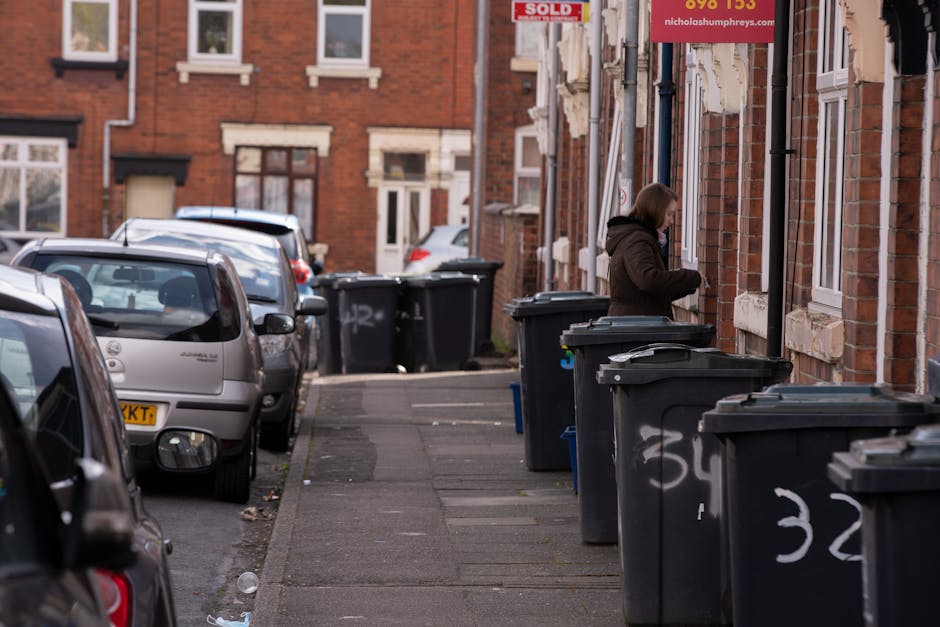
Batchworth Road bulky rubbish guide for Rickmansworth homes

If you live near Batchworth Road and you've got an old sofa blocking the hallway, a mattress leaning in the spare room, or a heap of broken household items that never quite made it to the tip, you're not alone. Bulk rubbish has a habit of creeping up on Rickmansworth homes - usually at the worst possible moment, often when you're already trying to clear space for guests, a move, or a long-overdue tidy-up.
This Batchworth Road bulky rubbish guide for Rickmansworth homes is here to make the process feel less messy and a lot more manageable. We'll walk through what counts as bulky waste, how removal usually works, what to avoid, and the best practical options when you want the job done properly. No fluff, no mystery, just the kind of guidance that helps you make a sensible decision without standing in the garden wondering where on earth the old wardrobe should go.
Why Batchworth Road bulky rubbish guide for Rickmansworth homes matters
Bulky rubbish is different from everyday bin waste. It takes up more room, is harder to move safely, and often includes items that need careful handling. For homes around Batchworth Road, that matters for a few very ordinary reasons: limited storage, parking constraints, narrow access, and the simple fact that large items are awkward. Very awkward, sometimes.
When bulky waste sits around for too long, it does more than just look untidy. It can make rooms harder to use, create trip hazards, attract moisture or pests, and add stress to a home that is already busy. In family houses, flats, converted properties, and shared homes, the clutter can spread fast. One sofa becomes a sofa, a chair, a broken table, and then suddenly you've got half a room you can't walk across without doing that careful sidestep thing.
The local angle matters too. In Rickmansworth, residents often need a solution that fits around work, school runs, deliveries, and parking realities. A bulky rubbish plan that works in theory but not on an actual street is not much use. That is why clear preparation, sensible sorting, and the right removal method are so useful.
Expert summary: Bulky rubbish removal works best when you treat it as a small project, not a one-off favour to yourself. Sort it, separate anything special, check access, and choose a method that matches the volume and type of items.
How Batchworth Road bulky rubbish guide for Rickmansworth homes works
At a practical level, bulky rubbish removal usually follows a straightforward pattern. First, you identify what needs to go. Then you work out which items can be reused, recycled, or need special handling. After that, you decide whether you want to move the waste yourself, use a skip, or book a collection service.
The details matter. A pile of furniture from a front room is not the same as a mix of garden waste, broken appliances, and loft clutter. Nor is a single mattress treated the same way as renovation debris. If you're unsure, it helps to think in categories: furniture, appliances, household junk, garden material, and anything potentially hazardous.
If you want a broader overview of general waste handling, the waste removal service page is a useful place to understand how collection-based clearance can fit into a household clean-up. For furniture-heavy jobs, the dedicated furniture clearance and furniture disposal pages are also relevant, especially if you've got a mix of old pieces that are too bulky for the usual bin routine.
In everyday terms, the process is less about "getting rid of rubbish" and more about matching the right route to the right item. That sounds obvious, but people often skip this bit and regret it later. A little planning saves a lot of lifting.
Key benefits and practical advantages
There's a reason people search for bulk rubbish help rather than trying to tackle everything in one afternoon. The main advantages are easy to understand, and quite honestly, they're the reason many homeowners in Rickmansworth choose a professional approach in the first place.
- Less physical strain: Large items can be heavy, awkward, and unsafe to move alone.
- Faster room recovery: Once the clutter is out, you can use the space properly again.
- Cleaner sorting: Reusable, recyclable, and waste items can be separated more responsibly.
- Better access management: Homes on busier roads often need a tidy, efficient collection plan.
- Reduced risk of damage: You're less likely to scratch floors, walls, or stair railings.
- More predictable results: A structured clearance usually feels calmer than a DIY scramble.
There is also a psychological benefit that people underestimate. You know that moment when a room finally looks like itself again? The sound of the floor being clear under your feet, the little echo of an empty hallway, the sense that you can breathe a bit easier. That shift is real. Not dramatic, just nice. And useful.
For heavier household items, you may also want to look at specialised help such as mattress and sofa disposal or fridge and appliance removal, because not every bulky item should be handled in exactly the same way.
Who this is for and when it makes sense
This guide is for anyone living in or around Batchworth Road who has more than a couple of oversized items to deal with. That includes homeowners, tenants, landlords, downsizers, people renovating a room, and families doing a seasonal clear-out. It also helps if you've got limited driveway space or simply don't want waste sitting outside for days.
It makes sense to use a more structured bulky rubbish approach when:
- you have furniture that no longer fits your home or layout;
- you are emptying a loft, garage, or spare room;
- you're replacing appliances or white goods;
- you've finished a small DIY job and have mixed waste to sort;
- you need the items gone quickly, cleanly, and with minimal disruption;
- you want to avoid making several trips with a car that's already too full.
For bigger decluttering projects, a broader service such as home clearance or house clearance can be more practical than item-by-item removal. If the clutter is concentrated in one awkward space, like the loft or garage, then loft clearance and garage clearance may be the better fit.
Truth be told, most households don't need a grand strategy. They just need the right service for the job in front of them.
Step-by-step guidance
If you want to deal with bulky rubbish without turning the day into a chaotic relay race, follow a simple sequence. It works surprisingly well.
- Walk the property and list the items. Start in the room with the biggest problem and note every bulky item, even the ones you might "decide on later".
- Separate what can be kept, donated, recycled, or disposed of. Be honest here. The lamp with the missing shade is not magically going to fix itself.
- Check for special waste. Items like fridges, chemicals, paint, certain electricals, or damaged materials may need separate handling.
- Measure large items and check access. Doors, stairwells, garden gates, tight hallways, and parking access all matter.
- Choose the most suitable route. A few items may be suitable for a collection; a larger mixed load may need a fuller clearance.
- Prepare the area. Move ornaments, rugs, and breakables out of the way. Clear a path. It helps more than you'd think.
- Confirm what will be taken. Make sure everyone is aligned before lifting starts. That way there are no awkward "actually, keep that chair" moments.
- Keep a quick final check list. Once the bulky items are out, look for hidden bits behind wardrobes, under beds, or in cupboard corners.
If you're dealing with a more mixed waste load, the guidance on builders waste clearance can be helpful for understanding how different material types are typically separated after renovation or repair work. And if you're comparing collection choices, book online may suit people who prefer a quick, simple scheduling route rather than back-and-forth calls.
Expert tips for better results
Here are the little things that tend to make the biggest difference. In our experience, this is where a messy job becomes a fairly smooth one.
- Do the heavy lifting logic first. Ask yourself what is genuinely bulky and what is just awkward. Sometimes two medium items are harder than one big one.
- Break down safe items where possible. Flat-pack furniture, small shelving, and dismantled frames are often easier to remove.
- Keep one area as the staging point. A landing or hallway corner can help the process stay organised.
- Use gloves and sturdy shoes. Sounds basic, but basic is good. A bruised shin on a stair edge is not a memorable win.
- Check item condition before moving. A cracked drawer or loose spring can suddenly become a problem halfway down the stairs.
- Leave special waste aside until you've confirmed the plan. That includes anything oily, chemical, wet, or potentially sharp.
If you have a specific item that is bulky but also sensitive, such as a mattress or sofa, the dedicated mattress and sofa disposal option gives a better idea of what's involved. For people clearing out long-kept items from a shed or spare room, garage clearance often works especially well because it can sweep away a surprisingly mixed pile.
One more small tip: take a photo before the clearance starts. Not for drama, just for your own record and sanity. It helps if you want to compare before-and-after, and it makes the whole job feel more tangible.
Common mistakes to avoid
Most bulky rubbish problems are not caused by one huge mistake. They're caused by a handful of small ones that pile up. Easy to do, honestly.
- Underestimating the volume: A "few things" can become a van-full before you know it.
- Forgetting access issues: Tight staircases, narrow gates, or blocked parking can change the plan fast.
- Mixing all waste together: Some items need separate treatment, and mixing them can cause delays.
- Leaving it to the last minute: A rushed clear-out usually means more stress and poorer decisions.
- Assuming every item can be handled the same way: Appliances, furniture, and hazardous items are not interchangeable.
- Ignoring safe lifting: Twisting, dragging, and trying to muscle through a stairwell is how people get hurt.
One real-world mistake we see a lot is people planning a clear-out around a good weather forecast, then discovering that a heavy sofa still needs moving even though the rain stayed away. Weather helps, sure, but it doesn't solve access or weight. A bit of planning does.
If you're not sure whether certain items belong in a skip, the page on what can go in a skip is a useful reference point for thinking through what sorts of materials are usually accepted or not.
Tools, resources and recommendations
You do not need a mountain of equipment to manage bulky rubbish well, but a few practical items help. Think less "specialist kit" and more "don't make life harder than it has to be".
| Tool or resource | Best use | Why it helps |
|---|---|---|
| Gloves | Handling rough, dusty, or sharp-edged items | Protects hands and gives a better grip |
| Moving straps or a trolley | Transporting heavier furniture | Reduces strain and improves control |
| Strong bags or boxes | Smaller loose items from cupboards or lofts | Keeps the load tidy and safer to carry |
| Measuring tape | Checking doorways and awkward furniture | Prevents the classic "it almost fits" problem |
| Label stickers or markers | Sorting keep, recycle, donate, remove | Makes decision-making faster on the day |
For homeowners comparing services, it can also help to understand adjacent offerings. For example, a broader flat clearance may suit smaller properties with stairs and limited access, while office clearance is more relevant if the bulky items include desks, chairs, and work equipment. It all comes down to the shape of the load.
And if you want to know more about how the business approaches service and standards, the about us page is worth a look. For transparency around booking, payments, and service terms, the pages on pricing and quotes, payment and security, and terms and conditions are useful background reading.
Law, compliance, standards, or best practice
Bulky rubbish removal in the UK is not just about convenience. It also touches on responsible waste handling, safe loading, and making sure waste goes to the right place. You do not need to become an expert in waste regulations to clear a house, but you should be aware that some items cannot be treated as ordinary household rubbish.
As a practical rule, separate anything that may be hazardous, leaking, broken in a risky way, or contaminated. Paint tins, certain chemicals, fuel-related containers, sharp fragments, and some electrical or refrigeration items may need special handling. Best practice is to keep these aside until you know the correct route.
There is also a duty of care principle in everyday waste management: if you hand waste to a removal service, you want confidence it will be handled properly and responsibly. That is why clear communication matters. Ask what is included, what is excluded, and how mixed waste is dealt with. Simple questions, but worth asking.
For items that raise safety concerns, the dedicated hazardous waste disposal page is a sensible reminder that not every item belongs in a standard domestic clearance. Likewise, the insurance and safety page is a useful trust signal if you want reassurance that the job is being handled with care.
Best practice also includes leaving access clear, avoiding blocking pavements or shared driveways unnecessarily, and making sure anything moved through the property is done safely. Not glamorous, but it keeps everyone happier. And less bruised.
Options, methods, or comparison table
There is no single best answer for every home. The right choice depends on how much rubbish you have, what type it is, how quickly you need it gone, and how much lifting you want to do yourself. Here's a simple comparison.
| Method | Best for | Pros | Trade-offs |
|---|---|---|---|
| DIY tip run | A small number of manageable items | Low cost if you already have transport | Time-consuming, physically tiring, multiple trips |
| Skip hire | Mixed waste or ongoing clearance | Useful for larger volumes, flexible over time | Needs space, loading effort, and item-checking |
| Bulky item collection | Furniture, mattresses, appliances, select household items | Quick, efficient, less lifting for you | Not ideal for all waste types |
| Full home or room clearance | Lofts, garages, moved-out homes, larger clean-outs | Most comprehensive and time-saving | May be more than you need for just one or two items |
If you're comparing the skip route, the page on what can go in a skip helps you think through suitability before you commit. If the project includes lots of mixed items from around the house, home clearance or house clearance may simply be the cleaner answer.
Case study or real-world example
Here's a realistic scenario. A Rickmansworth family on or near Batchworth Road is getting ready to redecorate the downstairs room and clear the spare room at the same time. They've got an old sofa, a broken armchair, two mattresses, a worn TV unit, and a fridge that stopped working months ago but somehow became "future me's problem". You know the type.
At first, they think about doing it themselves in stages. Then they check the stairs, realise the fridge is awkwardly placed, and notice the hallway already feels too narrow with just the sofa waiting there. Instead of forcing it, they sort the items into clear categories: furniture, appliance, and general household clutter. They also move a rug, a side table, and a lamp out of the route.
With that done, the actual removal becomes much smoother. The furniture leaves in one sweep, the appliance is treated separately, and the room feels usable again by lunchtime rather than by next weekend. That's the key point: the job wasn't smaller, just better organised.
A small local observation? Once one bulky item is gone, people suddenly notice three more that had been quietly hiding in plain sight. The side effect of a tidy room is that it gets ambitious.
Practical checklist
Use this before you arrange any bulky rubbish removal from a Batchworth Road property. It keeps things calm and saves repeat work.
- List every bulky item that needs to go.
- Separate keep, donate, recycle, and dispose piles.
- Check for hazardous or specialist items.
- Measure large items against doorways and stair space.
- Clear a safe route from the items to the exit.
- Move breakables, rugs, and loose cables out of the way.
- Decide whether a collection, clearance, or skip is more suitable.
- Keep access and parking in mind, especially on a busier road.
- Confirm what will and won't be taken.
- Do one final sweep for forgotten items in cupboards, loft corners, and behind furniture.
Quick takeaway: The best bulky rubbish plan is the one that matches your space, your timetable, and the types of items you actually have. Not the fanciest one. Just the one that works.
Conclusion
For Rickmansworth homes, bulky rubbish removal is usually less about dramatic overhaul and more about making everyday life easier. Whether you're clearing a room, replacing worn-out furniture, emptying a garage, or tidying after a renovation, a structured approach saves time, protects your home, and makes the whole thing feel far less stressful.
The main thing is not to treat all bulky waste as the same. Sort it, check it, and choose the route that fits. That simple bit of thinking can turn a frustrating pile into a manageable job, and that's often the difference between a task you keep putting off and one you can finally tick off with relief.
If you're ready to clear space, simplify the job, and avoid the usual last-minute scramble, explore the service details that fit your situation and move forward with confidence.
Get a free quote today and see how much you can save.
Sometimes the best home improvement is just getting the clutter out of the way. Small win, big breath of relief.
Frequently Asked Questions
What counts as bulky rubbish in a Rickmansworth home?
Bulky rubbish usually means items that are too large, awkward, or heavy for regular household bins. Typical examples include sofas, mattresses, wardrobes, tables, broken chairs, appliances, and mixed household clutter that takes up a lot of room.
Can I put bulky items out on the pavement on Batchworth Road?
It depends on the item, the timing, and local practice. In general, it is better to avoid leaving items out unsupervised or blocking walkways. Arrange removal in a way that keeps access safe and tidy.
Is it better to use a skip or a collection service?
It depends on the type and volume of waste. A skip can suit larger mixed loads over a longer period, while a collection service is often better for one-off bulky items or a quicker household clearance.
What should I do with old sofas and mattresses?
These items usually need separate handling because they are large and sometimes awkward to recycle or dispose of. A dedicated disposal route is usually the most sensible option.
How do I know if an item is hazardous waste?
If the item contains chemicals, fuel, sharp contaminants, or anything potentially harmful, treat it cautiously. Keep it separate and confirm the correct disposal route before moving it with general rubbish.
Can bulky rubbish be removed from flats or properties with stairs?
Yes, but access needs to be checked carefully. Narrow staircases, tight turns, and shared entrances can all affect how the removal is done. Good planning makes a huge difference.
What if I only have one or two large items?
Even a small number of bulky items can justify a removal service if they are hard to move, too heavy, or awkward to transport. One awkward fridge can be more trouble than six bags of normal waste.
Do I need to sort items before collection?
Yes, a basic sort is always worth doing. Separate reusable items, recyclable materials, and anything special or hazardous. It makes the collection cleaner and usually faster too.
Can I combine garden waste and household bulky rubbish?
Sometimes, but not always in the same load or method. Mixed waste needs careful checking, because garden material, furniture, and household junk may be treated differently.
How long does a bulky rubbish clearance usually take?
It varies depending on the volume, access, and type of items. A small household collection may be quick, while a full home or loft clearance takes longer. Good preparation reduces delays.
What is the biggest mistake people make with bulky rubbish?
The biggest mistake is usually underestimating the amount of time, lifting, and sorting involved. People often think it will be simple, then the first awkward item makes the whole plan wobble a bit.
Where can I learn more about related services?
You can explore related pages such as furniture clearance, garage clearance, loft clearance, and recycling and sustainability to see which option best fits your household waste.
Is there a good first step if I feel overwhelmed?
Yes: start with one room, make three piles, and identify the biggest items first. Once the bulky pieces are named and separated, the whole job becomes much easier to think about. That's usually the turning point.